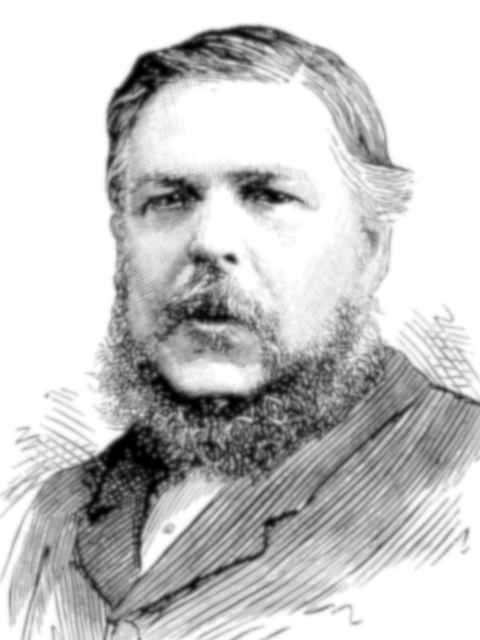
A Giffen good is a phenomenon in consumption theory named after Scottish economist Sir Robert Giffen, who was said to have observed it in the 19th century. It refers to a type of good for which demand increases as its price rises—unlike a normal good. This counterintuitive effect occurs when the good is such a staple in consumers’ diets that, even as its price goes up, people reduce their consumption of other goods and buy more of the staple to meet their basic needs.
Real-world examples of Giffen goods are rare and often debated, as they are difficult to identify and study. In some low-income regions, for instance, when the price of a basic food item rises, households may spend more of their income on that staple, cutting back on other foods and thereby increasing their consumption of it.
Commonly cited examples in economic literature include:
- Potatoes during the Great Famine in Ireland (mid-19th century). Potatoes were a staple food for the poor. When potato prices rose, families cut back on other foods such as meat and vegetables, purchasing more potatoes to meet calorie needs.
- Rice in parts of rural China. In areas where rice is the main staple and incomes are low, a price increase can lead to greater consumption as households reduce spending on other goods to afford more rice.
- Corn tortillas in Mexico. For many low-income households, tortillas are the primary source of calories, and price increases may result in greater demand.
The Giffen good is a rare and paradoxical economic case that challenges the traditional law of demand. It forms part of the broader concept known as the Giffen effect, which describes such violations.