
The Digital Redundancy Paradox

The digital redundancy paradox is an economic phenomenon in which the increasing availability of digital technologies intended to increase productivity leads to a decrease in productivity. This is due to excessive complexity, information overload, and resource duplication. Instead of simplifying processes, digital tools can unexpectedly complicate decision-making and reduce efficiency. The mechanism of this paradox […]

Continue Reading

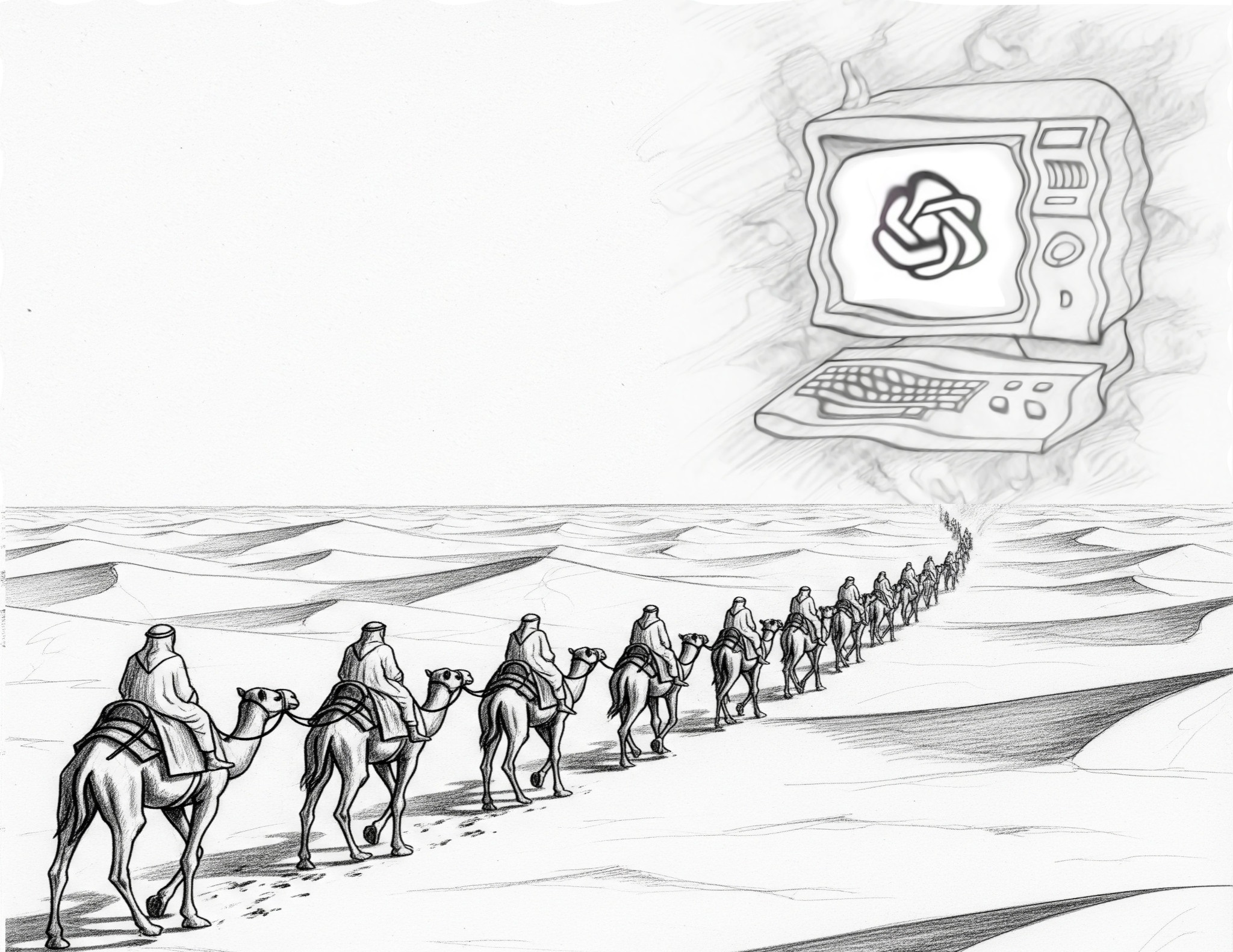
Normative Erosion

A philosophical phenomenon describing the gradual weakening or dissolution of established normative frameworks—such as ethical, social, or institutional norms—due to repeated violations, reinterpretations, or contextual shifts, often without deliberate intent or immediate recognition. Normative erosion occurs when norms that guide behavior, judgment, or social cohesion lose their prescriptive force over time, as individuals or groups […]

Continue Reading

Cognitive Mirage

Today, we’re increasingly encountering the term “cognitive mirage,” particularly in scientific articles on artificial intelligence. Most often, this concept is used to describe the phenomenon of so-called hallucinations in large language models (LLMs). These models, built to mimic the workings of the human brain, sometimes generate incredibly convincing yet entirely fabricated responses. Recent scientific reviews […]

Continue Reading

Doxastic Inertia

A philosophical phenomenon describing the tendency of an individual’s or group’s belief system to persist in its current state, resisting change or revision, even in the presence of new evidence or rational arguments, due to cognitive, emotional, or social factors that stabilize existing beliefs. Doxastic inertia manifests when beliefs, once formed, gain a self-reinforcing momentum […]

Continue Reading

Axiological Flux

A philosophical phenomenon describing the dynamic, often unconscious shift in an individual’s or collective’s value system—encompassing moral, aesthetic, or existential priorities—due to prolonged exposure to evolving social, cultural, or technological contexts, without deliberate reevaluation or critical grounding. Axiological flux occurs when the principles or priorities that guide judgments about what is good, desirable, or meaningful […]

Continue Reading

Ontological Drift

A philosophical phenomenon describing the gradual, often imperceptible shift in an individual’s or collective’s foundational assumptions about the nature of reality, driven by prolonged exposure to specific cultural, technological, or experiential contexts, without deliberate critical reassessment. Ontological drift refers to the slow transformation of an entity’s ontological framework—the set of beliefs and concepts defining what […]

Continue Reading

An Innovative Way to Fund Projects: About Crowdfunding

Crowdfunding is a way of funding projects through contributions from many people who believe in the idea and want to support it financially. This approach has become especially popular among startups, nonprofits, and creative initiatives. It not only helps raise money but also allows creators to gauge audience interest, receive feedback, and build a community […]

Continue Reading